
Beds, harnesses, collars and toys for dogs of every size.






The world of dog accessories: a guide from an enthusiast who has tried everything
Anyone who lives with a dog knows there is nothing comparable to that overflowing joy they show when you get home, the peace they radiate when they sleep peacefully by your side, or the unconditional affection they give without asking for anything in return. And precisely because they are part of our family, we want to give them the best. I’m not talking about unnecessary luxuries, but about accessories that truly improve their lives: toys, collars, leashes, harnesses, beds and much more.
I am one of those people who not only loves dogs, but has also tested dozens of items with my own furry companions. Sometimes I’ve made the right choice and other times I’ve learned through trial and error (and toys destroyed in less than 5 minutes). Today I want to share my experience with you, with the honesty of a friend speaking from experience, not from a catalog.
See more
The importance of choosing the right accessories for your dog
It might sound exaggerated, but a simple collar or bed can make the difference in your dog's health and well-being. Let me give you an example: years ago I used a very rigid collar with my dog because it seemed durable. What I didn’t know is that that type of collar was rubbing against the skin of her neck and, over time, it caused irritation. Since then I understood that not all products on the market are suitable for every dog, even if they look pretty or durable at first glance.
Accessories serve various functions: safety, entertainment, rest, and even training. But the most important thing is that they suit your particular dog. Buying a bed for a Chihuahua is not the same as for a Great Dane, nor is a toy for a three-month-old puppy the same as for an adult German Shepherd.
Toys: much more than just entertainment
The subject of toys could fill an entire book. In my case, I’ve been through them all: balls, plush toys, ropes, interactive toys… and I’ve learned something: there is no single perfect toy for every dog, but you can definitely find the ideal one for yours.
-
Chew toys: essential for puppies that are teething. Plus, they help keep their teeth clean. My favorites are those made of natural rubber because they last a long time.
-
Interactive toys: the kind where you hide food or treats. They are wonderful for keeping your dog entertained when you aren't home and preventing them from destroying your shoes. I have a Labrador, and believe me, without these toys my living room would be a disaster.
-
Balls and ropes: classics that never fail, but here you have to watch the material. Balls that are too hard can damage teeth, and low-quality ropes come apart and get swallowed.
The trick is to rotate the toys. If you leave them all out for them, they will lose interest quickly. I usually put some away and bring them out at specific times. You’d be surprised at how excited they get to “reunite” with a toy they haven't seen in weeks.
Collars and leashes: safety and style
Here the choice is critical. The collar and leash are the physical connection between you and your dog on the street. If you don't choose well, it can be uncomfortable for both of you.
-
Nylon collars: light and affordable, but some wear out quickly.
-
Leather collars: more durable and comfortable, although they require care so they don't dry out.
-
Metal or choke collars: personally, I don't recommend them. They can be dangerous and painful. I’d a thousand times rather train with patience and a good harness than use these types of tools.
The leash also matters. One that is too long can make you lose control in busy areas, but one that is too short can frustrate your dog. 2-meter ones work well for me for quiet walks, and retractable ones only in open spaces.
A practical tip: never buy based on aesthetics alone. I’ve seen beautiful collars, with sparkles or flashy details, that are torture for the dog. Style is fine, but comfort comes first.
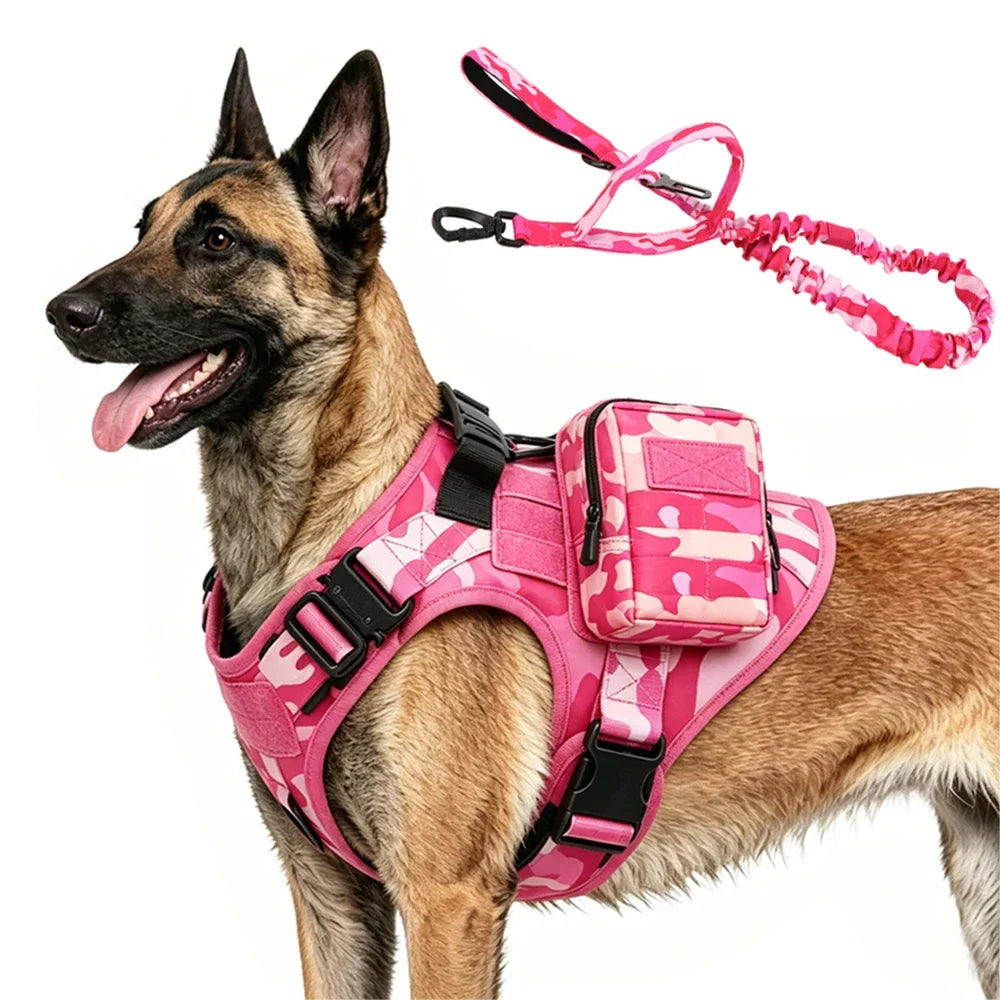
Harnesses: freedom and safety in one accessory
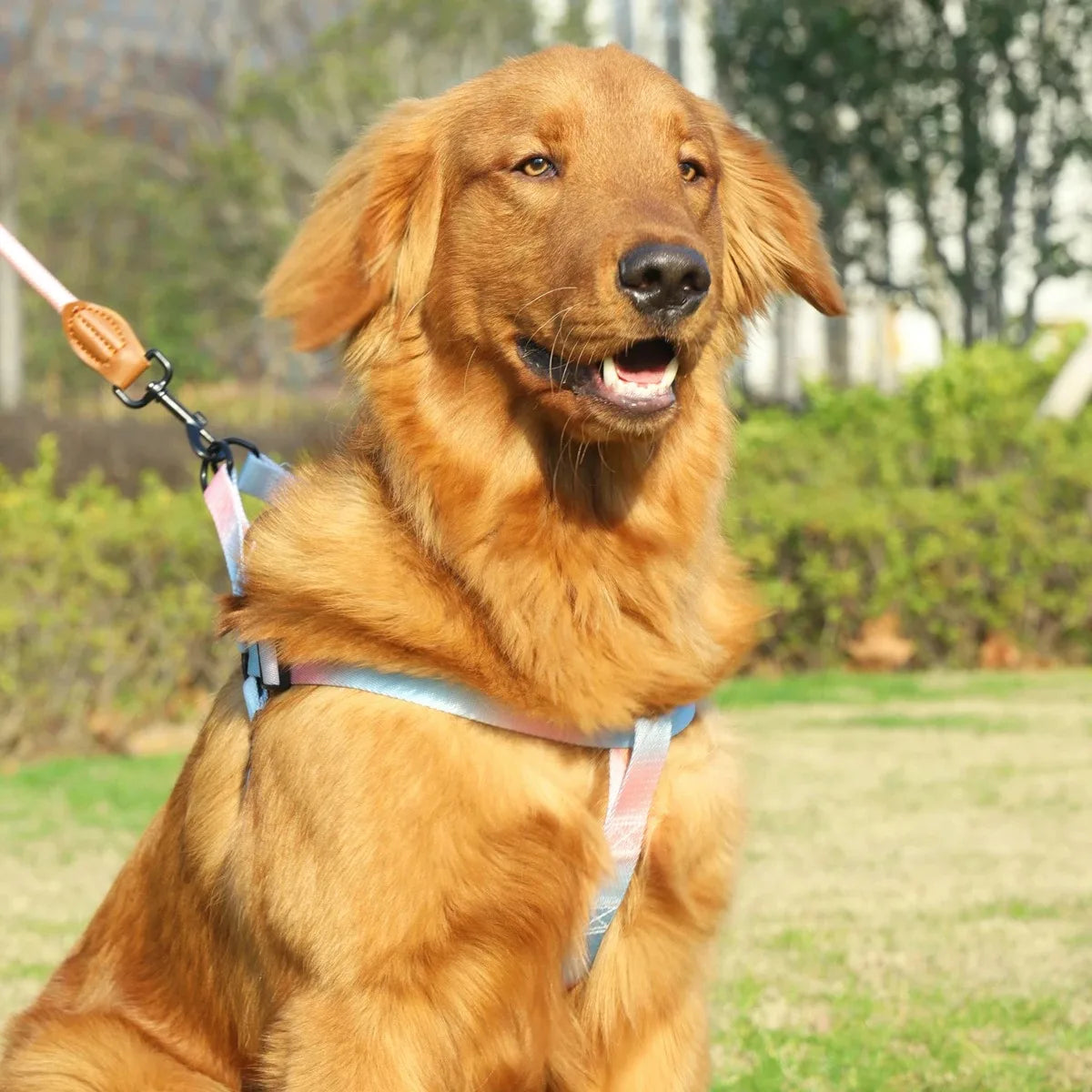
The day I tried a harness with my dog, my life changed. I went from having constant pulling to enjoying calmer walks. And most importantly: I avoided the neck pressure problems that collars caused him.
There are several types:
-
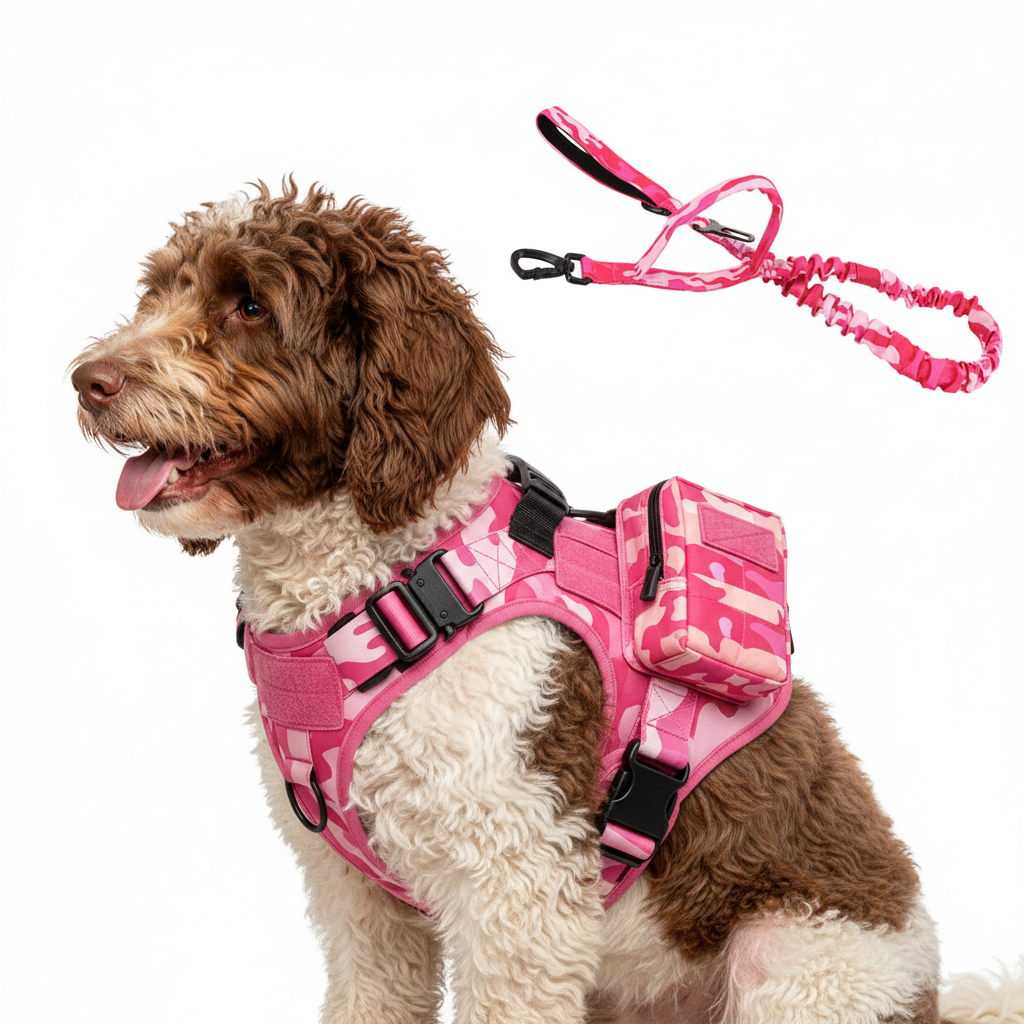
No-pull: great for dogs that pull a lot. They distribute the force and prevent injuries.
-
Padded chest: comfortable and perfect for daily use.
-
Sports or trekking: ideal if you like to go jogging or hiking with your dog.
The key detail is the fit. An improperly fitted harness can be just as uncomfortable as an unsuitable collar. Always make sure it isn't too loose (they could escape) or too tight (it could hurt them).
Beds: your dog's throne
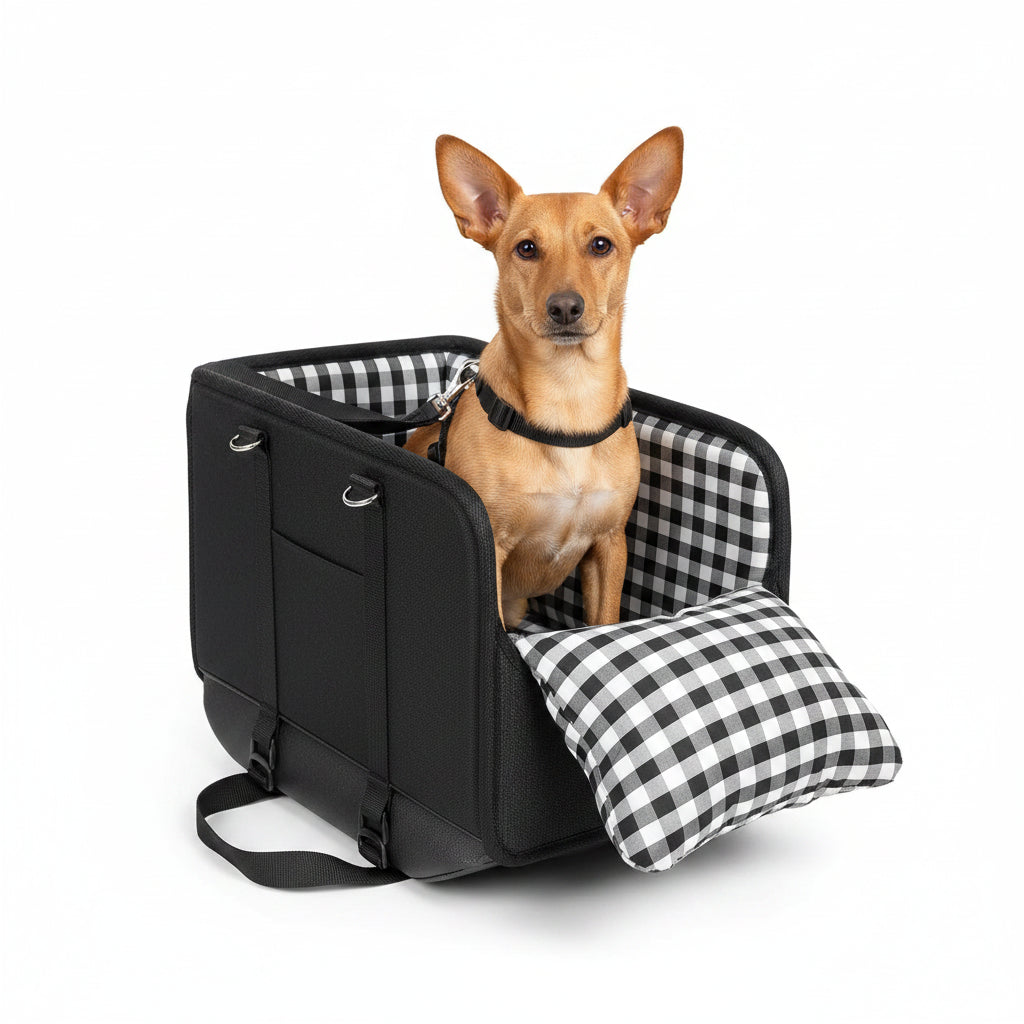
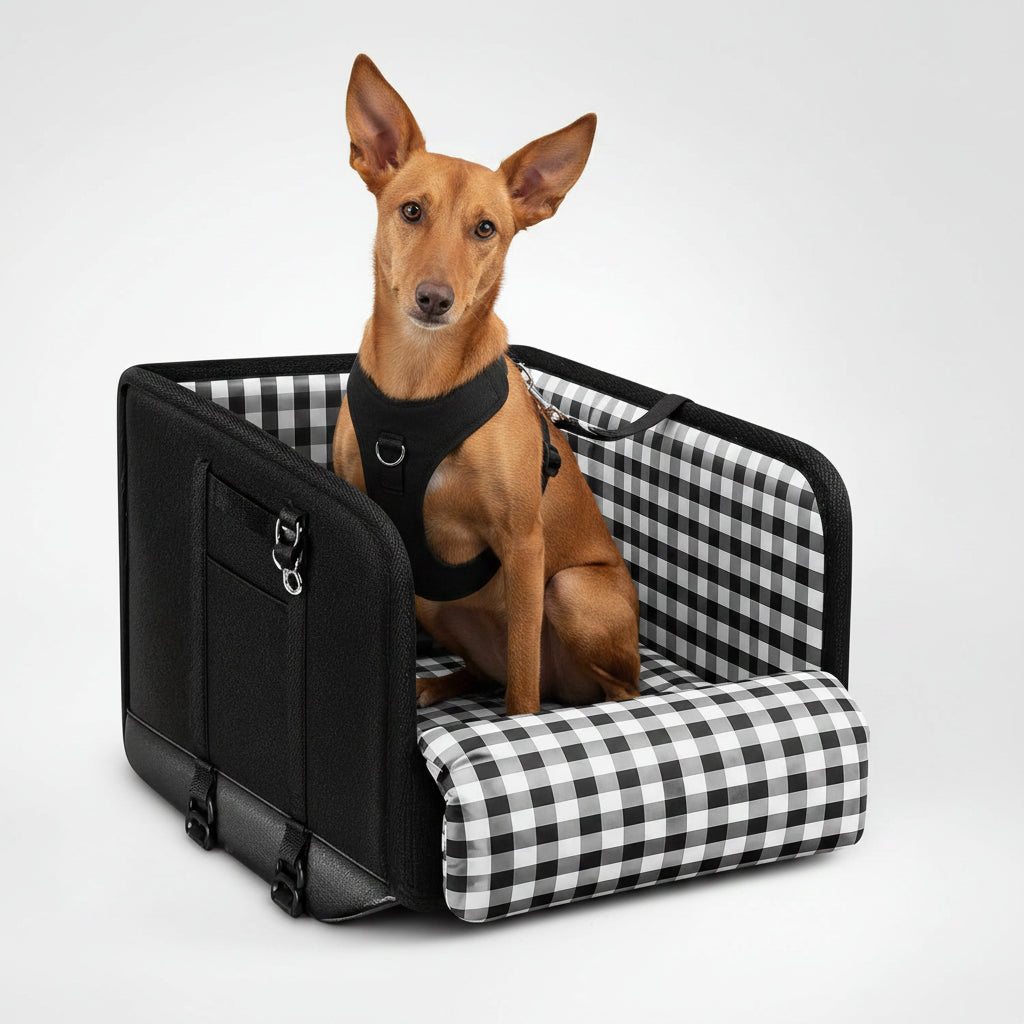
Many think that any cushion is enough, but the bed is one of the most important accessories. A dog spends between 12 and 16 hours a day sleeping. Can you imagine spending that much time in an uncomfortable spot?
-
Orthopedic beds: perfect for older dogs or those with joint problems. They make a real difference in their quality of life.
-
Cave-style: ideal for small or timid dogs that need a safe space.
-
Cooling mats: wonderful in hot climates. My dog is very grateful to have one in the summer.
The choice depends on the size, age, and habits of your dog. I, for example, have a large bed in the living room and another in my bedroom. That way he always has a comfortable place without needing to get on the sofa (although I confess that many times he ends up sleeping with me).
Practical tips from an enthusiast
After years of buying and testing accessories, here are some tips I wish I had heard sooner:
-
Invest in quality: a cheap toy can break and become a choking hazard. Better to pay a little more for something durable.
-
Adapt to the dog, not to fashion: that collar with sparkles might look great on Instagram, but if your dog is uncomfortable, it's not worth it.
-
Rotate toys and accessories: keeping things novel prevents them from getting bored.
-
Regular cleaning: wash beds, collars, and toys frequently. Hygiene is key to health.
-
Listen to your dog: if you see them avoiding an accessory, scratching a lot with a new collar, or not playing with a toy, don't insist. Learn to read their signals.


